
The Biology of the Problem
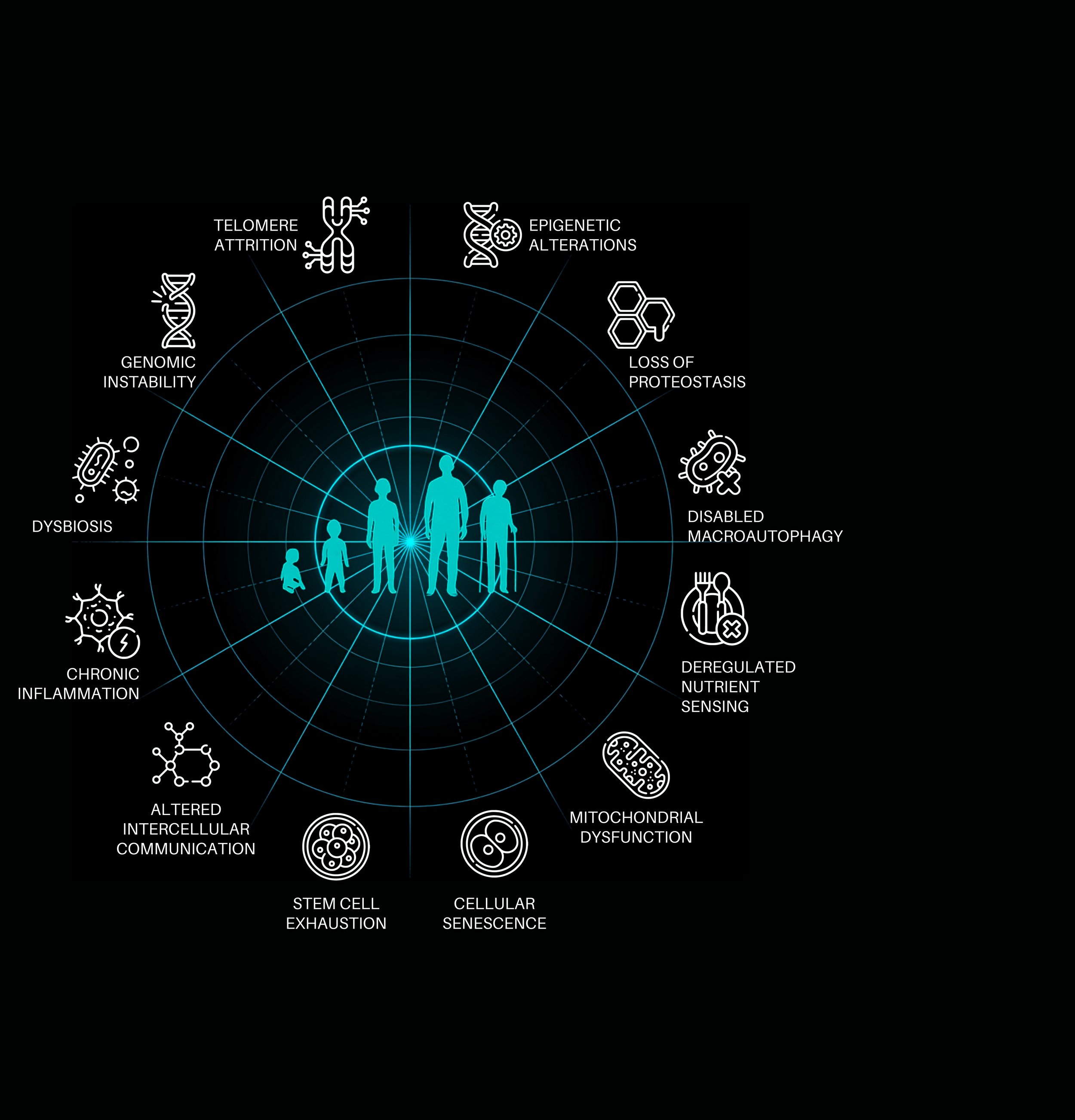
The 12 Hallmarks of Aging
Most chronic diseases appear different on the surface (heart disease, cancer, type 2 diabetes, Alzheimer’s, etc.)
At the biological level, they share a common driver: aging.
Aging is not simply the passage of time. It is the gradual breakdown of cellular systems responsible for energy production, repair, communication, and resilience. Long before symptoms appear, these failures accumulate quietly inside the body.
Over the last decade, aging researchers have converged on a unifying scientific framework known as the 12 Hallmarks of Aging. This framework explains how cellular damage accumulates over time and drives age-related disease.
Understanding these hallmarks is essential to addressing aging at its biological source rather than treating downstream symptoms.

What Are the 12 Hallmarks of Aging?
The 12 Hallmarks of Aging describe interconnected cellular and molecular processes that deteriorate with age. These processes do not act in isolation. Dysfunction in one accelerates others, creating cascading effects across tissues and organ systems.
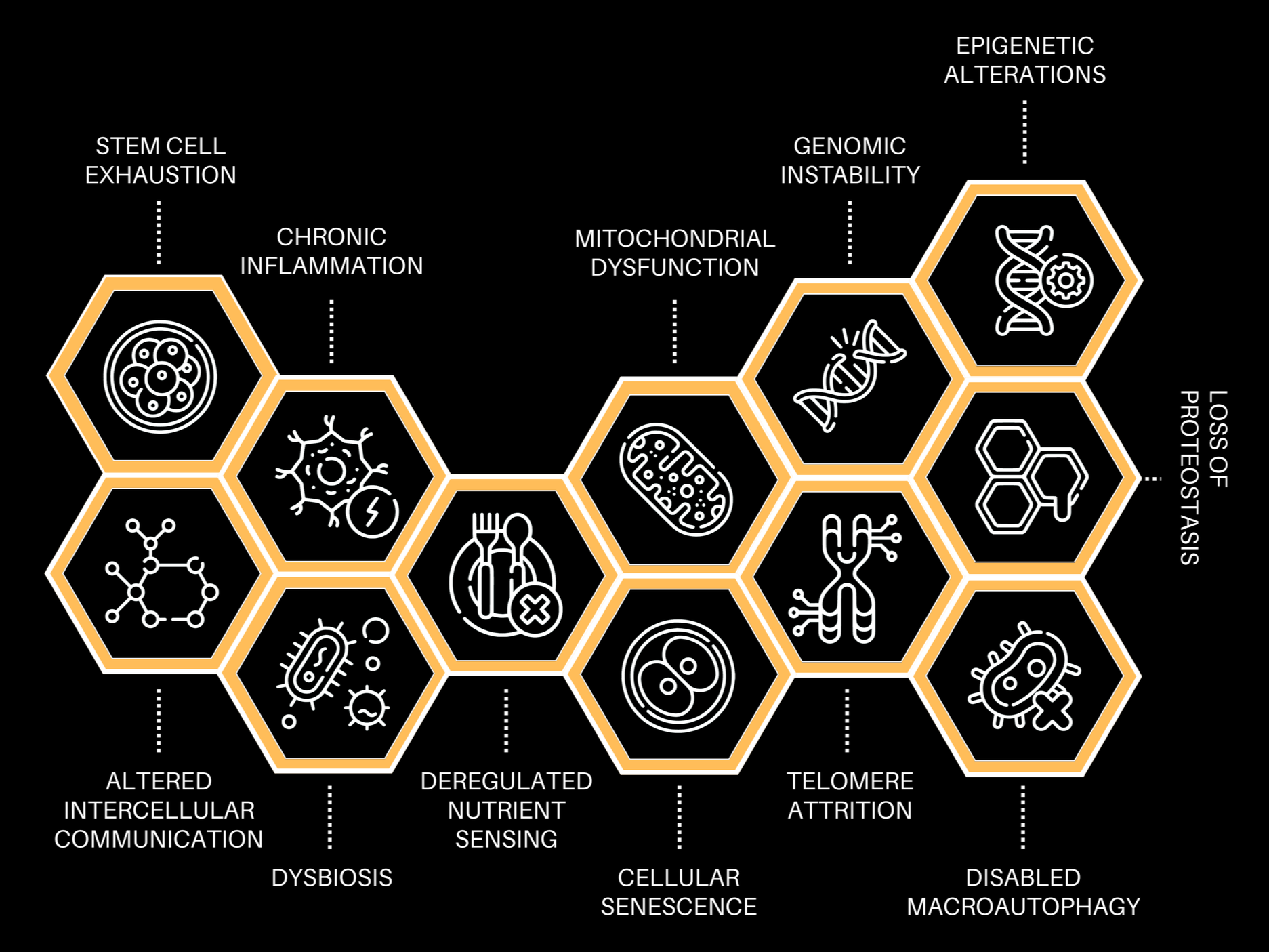
The hallmarks include:
Genomic Instability
Telomere Attrition (i.e. shortening)
Epigenetic Alterations
Loss of Proteostasis
Dysregulated Nutrient Sensing
Mitochondrial Dysfunction
Cellular Senescence
Stem Cell Exhaustion
Altered Intercellular Communication
Chronic Inflammation
Impaired Autophagy
Microbiome and immune dysfunction (Dysbiosis)
While different researchers may group or label them slightly differently, the underlying biology is consistent. Aging is a network failure, not a single defect.
Why the Hallmarks Matter
Each hallmark contributes to aging in a specific way, but their true impact comes from how they interact.
Mitochondrial dysfunction reduces cellular energy, impairing repair and regeneration.
Chronic inflammation accelerates tissue damage and disrupts signaling.
Cellular senescence leads to the accumulation of dysfunctional cells that actively promote decline.
Epigenetic drift alters gene expression even when DNA itself remains unchanged.
As these processes compound, biological resilience declines. Recovery slows. Stress tolerance drops.
This is why the risk of cardiovascular disease, neurodegeneration, cancer, and metabolic dysfunction increases exponentially as we age.
Why Aging Must Be Treated as a System

Most health interventions focus on isolated symptoms or single biological pathways. While sometimes helpful, this approach rarely produces durable results.
The hallmarks reveal a central truth about aging: it behaves like a systems failure rather than a single defect.
Addressing aging effectively requires:
Structure
Sequencing
Coordination across biological domains
Without a system-level approach, even well-intentioned interventions tend to produce fragmented and short-lived benefits.
Mapping the 12 Hallmarks into the TimeWarp Three-Layer System
The 12 Hallmarks of Aging explain what goes wrong with age. To make this biology actionable, it must be organized into a coherent intervention strategy.
At TimeWarp Labs, we organize aging biology using the TimeWarp Three-Layer System, which reflects how aging unfolds functionally over time.

Layer 1: Foundation
Biological Readiness and Stability
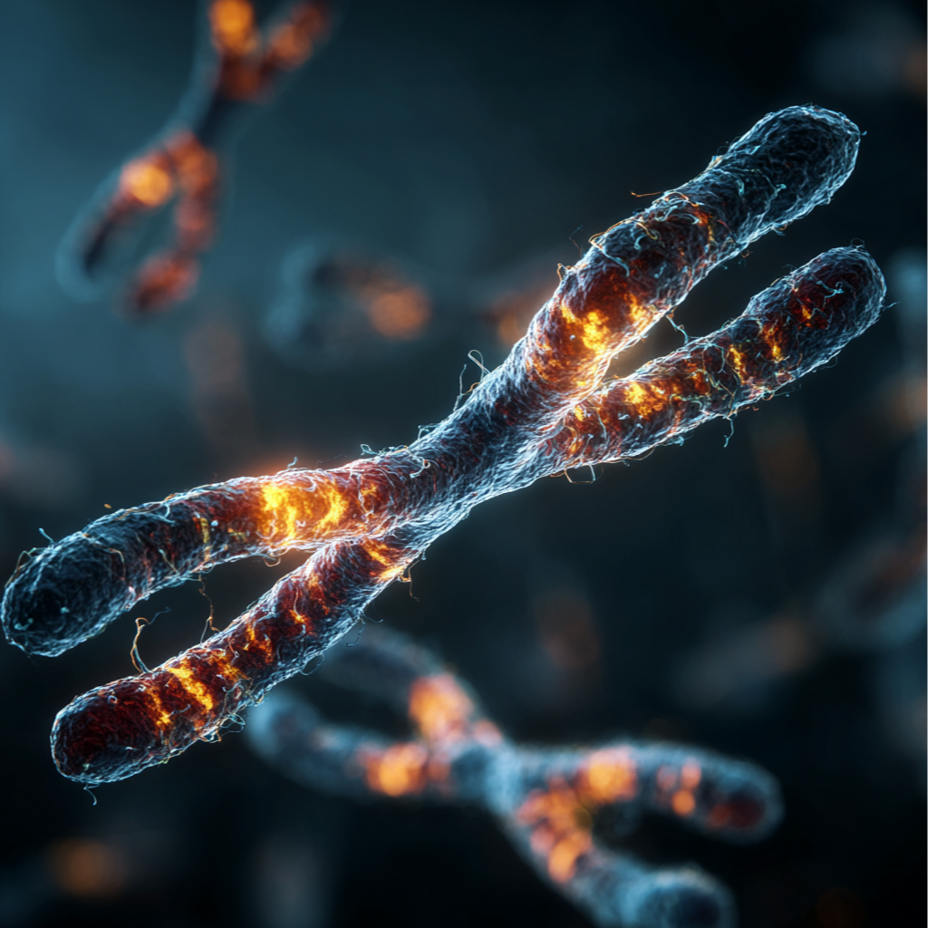
These hallmarks undermine the core cellular infrastructure required for normal function.
They must be stabilized before higher-level optimization is possible.
Primary hallmarks in this layer:
Genomic Instability
Telomere Shortening
Epigenetic Alterations
Loss of Proteostasis
Deregulated Nutrient Sensing
Role of the Foundation layer:
Restore baseline cellular integrity, signaling stability, and metabolic readiness.
Layer 2: Optimization
Daily Performance and Resilience
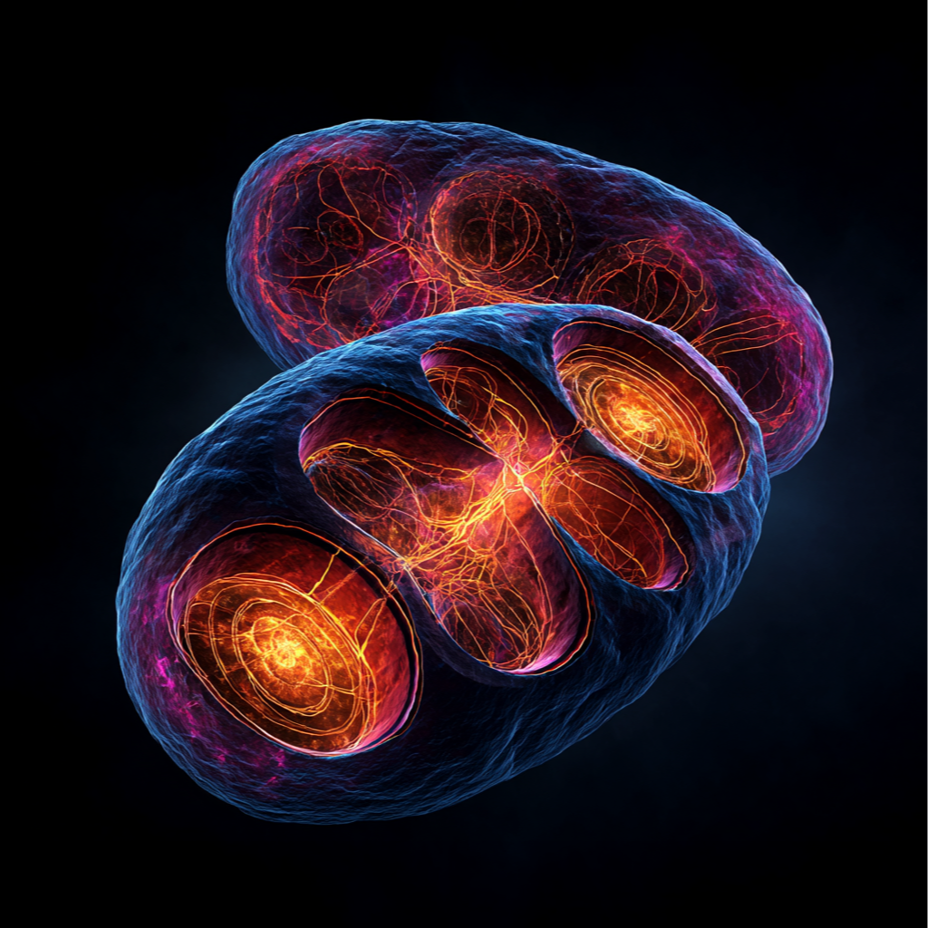
These hallmarks directly affect energy production, stress tolerance, and functional output under real-world conditions.
Primary hallmarks in this layer:
Mitochondrial dysfunction
Altered intercellular communication
Chronic inflammation
Impaired autophagy
Role of the Optimization layer:
Convert biological stability into sustained energy, cognitive clarity, metabolic control, and recovery capacity.
Layer 3: Renewal
Damage Clearance and Regeneration
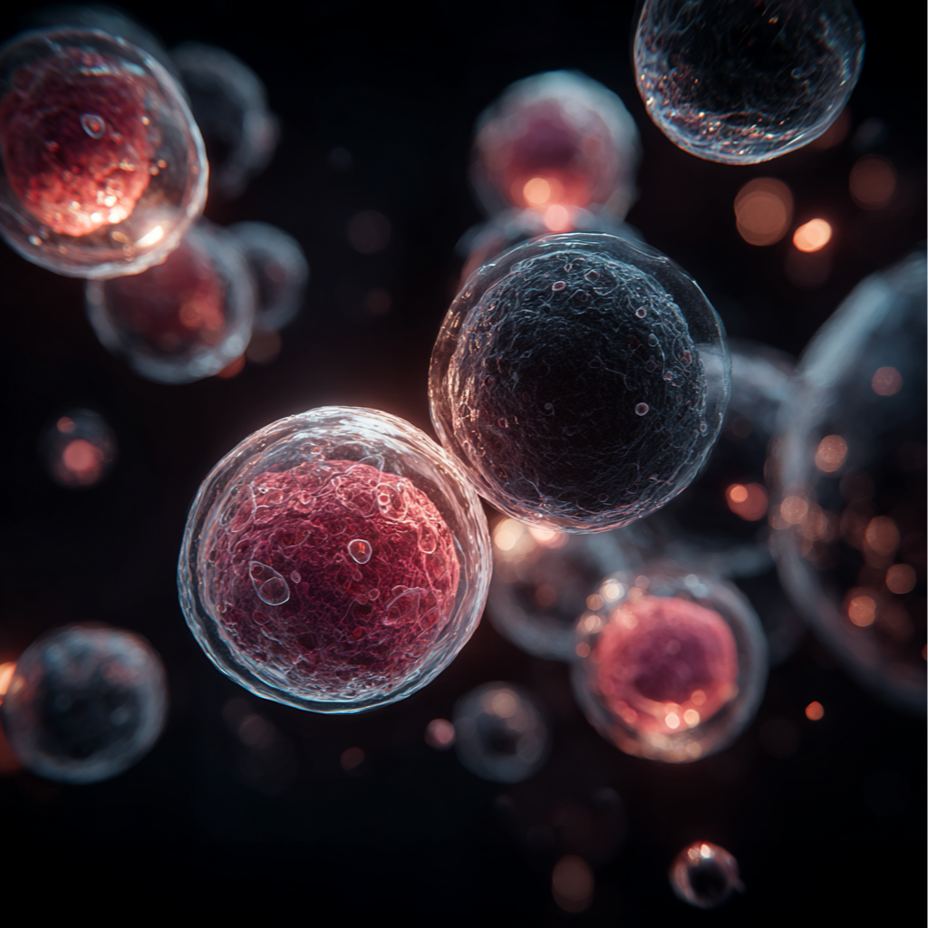
These hallmarks reflect accumulated biological damage that cannot be resolved through daily interventions alone.
Primary hallmarks in this layer:
Cellular senescence
Stem cell exhaustion
Microbiome and immune dysfunction
Role of the Renewal layer:
Remove dysfunctional cells, reduce inflammatory signaling, and preserve long-term regenerative capacity.
Why Structure and Sequence Matter
Treating all hallmarks randomly is inefficient and often counterproductive.
Stability enables performance.
Performance must be protected from long-term damage.
Damage must be periodically cleared to preserve future function.
The TimeWarp Three-Layer System mirrors how aging biology actually behaves, not how interventions are typically marketed.
The Takeaway
The 12 Hallmarks of Aging provide a shared scientific language for understanding why the body declines over time. They ground longevity in biology rather than trends.
But biology alone is not enough. Without structure, even the best science remains theoretical.
Longevity requires systems thinking.
Frequently Asked Questions
What are the 12 Hallmarks of Aging?
The 12 Hallmarks of Aging are interconnected cellular and molecular processes that deteriorate with age and drive functional decline, chronic disease, and reduced healthspan.
Why do the hallmarks of aging matter?
They explain why disease risk increases with age and why aging accelerates over time through reinforcing biological failures.
Are the hallmarks independent of one another?
No. Dysfunction in one hallmark often accelerates others, creating cascading effects across biological systems.
Why does disease risk increase exponentially with age?
As multiple hallmarks deteriorate simultaneously, biological resilience declines, making the body more vulnerable to disease and stress.
Can lifestyle interventions affect the hallmarks of aging?
Yes. Nutrition, exercise, sleep, stress management, and targeted interventions can influence multiple hallmarks, especially when applied systematically.
Why do most longevity approaches fail?
Most approaches target isolated pathways without addressing aging as a coordinated system, leading to limited and temporary benefits.
How should the hallmarks of aging be addressed?
They are best addressed through a structured, layered strategy that stabilizes foundational biology, optimizes daily performance, and periodically clears accumulated damage.
Is biological age different from chronological age?
Yes. Biological age reflects how well cells and systems function relative to chronological age and can be influenced by lifestyle and interventions.
